
How to Protect a TV from Accidental Damage in an Autistic Home
12 August 2026 · Richard Sands
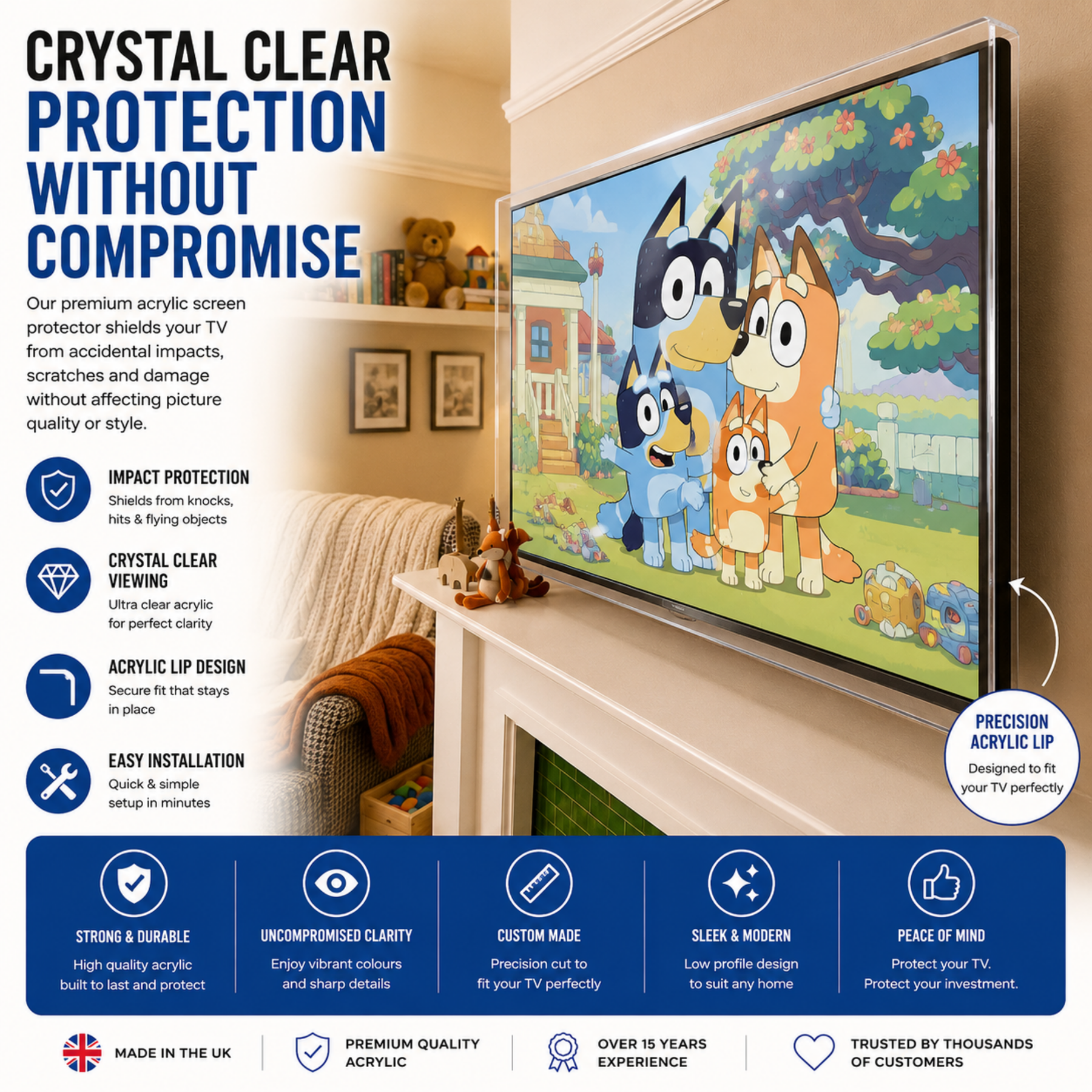
How to Protect Your TV in a Home with an Autistic Child
For many families, a TV is an important part of everyday life. It can provide entertainment, comfort, routine and familiar surroundings. But for some autistic children, the TV can also become vulnerable to accidental damage, particularly where there are sensory differences, impulsive behaviours, sudden movements or a tendency to throw or hit objects.
Every autistic child is different, and there is no single approach that works for every family. However, there are practical ways to make your TV safer and reduce the risk of costly screen damage.
Why Can TVs Be Vulnerable in Some Homes?
Autistic children can experience the world differently, including differences in sensory processing, communication and emotional regulation.
For some children, this may sometimes involve behaviours such as:
-
Throwing toys or other objects
-
Hitting or kicking
-
Sudden movements
-
Seeking sensory input
-
Becoming overwhelmed by noise, lights or changes in routine
-
Moving around the room quickly
-
Accidentally knocking into furniture or equipment
These behaviours aren't unique to autism, and not every autistic child will display them.
However, if a child has a history of throwing objects or hitting surfaces, a large, expensive TV screen can be particularly vulnerable.
How Can You Protect a TV from Accidental Damage?
1. Use a TV Screen Protector
One of the simplest ways to add physical protection is to install a purpose-designed TV screen protector.
A TV screen protector creates a protective barrier over the television screen, helping to reduce the risk of damage from accidental impacts.
This can be particularly useful in homes where toys, objects or other items could potentially be thrown towards the TV.
Instead of relying solely on insurance or hoping an accident doesn't happen, you're adding a physical layer of protection directly where it matters most: the screen.
2. Secure the TV Properly
If your TV is freestanding, consider whether it could be knocked over.
A secure wall-mounted installation can help reduce the risk of the television itself being knocked over or pulled down.
If wall mounting isn't suitable, make sure the TV stand is stable and that the television is properly secured according to the manufacturer's recommendations.
Remember: a screen protector helps protect the screen from impact, but it isn't a substitute for securely installing the television.
3. Consider Where the TV Is Positioned
Think about the area around your TV.
If possible, avoid positioning the television directly opposite an area where children regularly play with hard toys or objects.
You could also consider:
-
Creating a clear space around the TV
-
Moving hard or heavy toys away from the screen
-
Keeping furniture from being positioned where it could be pushed into the television
-
Avoiding placing objects on nearby shelves that could fall towards the TV
-
Creating a defined play area elsewhere in the room
Small changes to the environment can sometimes make a significant difference.
4. Consider the Type of TV Protection You Need
Not all TV protection is the same.
A manufacturer's warranty generally covers certain faults with the television, while insurance or protection plans may provide additional financial cover depending on their terms.
Neither should automatically be assumed to cover accidental screen damage.
If you're particularly concerned about a child accidentally hitting or throwing something at the TV, check exactly what your existing insurance or protection plan covers.
A physical screen protector provides a different type of protection because it is designed to help prevent the screen itself from being damaged in the first place.
5. Think About Sensory Needs
For some autistic children, the TV itself can be a source of sensory stimulation.
Brightness, flashing images, sounds and sudden changes can sometimes contribute to sensory overload.
Depending on the individual child, you may find it helpful to adjust:
-
Screen brightness
-
Volume
-
Picture settings
-
Lighting around the TV
-
The distance between the child and the screen
The right setup will depend entirely on the child's individual sensory preferences.
6. Build Protection Into the Environment
The best approach isn't necessarily to restrict access to the TV.
Instead, consider how the whole room can be arranged to make accidental damage less likely.
For example, you could combine:
Secure installation + sensible room layout + appropriate screen protection
This creates multiple layers of protection rather than relying on one solution.
What Is the Best TV Screen Protector for an Autistic Child?
There isn't one protector that is right for every family.
The level of protection you need should depend on the environment and the type of impact you are trying to protect against.
For households where there is a higher risk of objects being thrown or the screen being hit, a thicker protector may be worth considering.
For particularly demanding environments, such as homes with significant impact risks, schools, SEN settings or other high-use spaces, a more robust screen protection solution may provide greater peace of mind.
The important thing is to choose protection based on your individual circumstances, rather than simply choosing the cheapest option.
Can a TV Screen Protector Prevent a Broken Screen?
A screen protector is designed to help protect the television screen from accidental impacts, but no protective product can guarantee that a TV will never be damaged.
The force, object involved, angle of impact and television itself can all affect the outcome.
However, adding a protective barrier can significantly change the situation when an accident occurs.
Instead of an object hitting the delicate TV display directly, it hits the protective layer first.
Protecting the TV Without Restricting the Child
It's important to remember that protecting a TV isn't about blaming a child or trying to suppress autistic behaviour.
Children need safe environments where they can play, communicate and regulate themselves.
The aim is simply to make the environment more resilient to everyday accidents.
For families who know that their child may sometimes throw objects, hit surfaces or experience moments of sensory overload, protecting expensive and fragile household items can remove some of the stress surrounding those situations.
Protect the Screen Before an Accident Happens
Replacing a modern television can be expensive, particularly when the screen itself is damaged.
For families with an autistic child, a TV screen protector guard can provide an additional layer of physical protection against accidental impacts.
Combined with secure installation and a thoughtfully arranged environment, it can help give parents greater peace of mind while allowing the TV to remain part of everyday family life.
You can't always predict when an accident will happen. But you can prepare for it.
Looking for extra protection for your TV?
Explore our range of TV Screen Protectors, designed to provide an additional layer of protection for televisions in busy homes, family environments and higher-risk settings.
Protect the screen. Protect your investment.