
Is there a way to protect a TV screen?
17 August 2026 · Richard Sands
Is There a Way to Protect a TV Screen? 7 Ways to Prevent Screen Damage
If you've just spent hundreds or even thousands of pounds on a new television, one of the last things you want is a cracked, scratched or damaged screen.
But is there actually a way to protect a TV screen?
Yes.
There are several things you can do to reduce the risk of damage, from where you position your TV to adding a purpose-designed screen protector.
The right approach depends on your home, your TV and how likely the screen is to be exposed to accidental impacts.
In this guide, we'll look at 7 practical ways to protect your TV screen and explain which options provide the most effective physical protection.
Why Are Modern TV Screens So Vulnerable?
Modern televisions are incredibly thin compared with older TVs.
Slim designs look fantastic on a wall, but the display itself can be vulnerable to impact from hard objects.
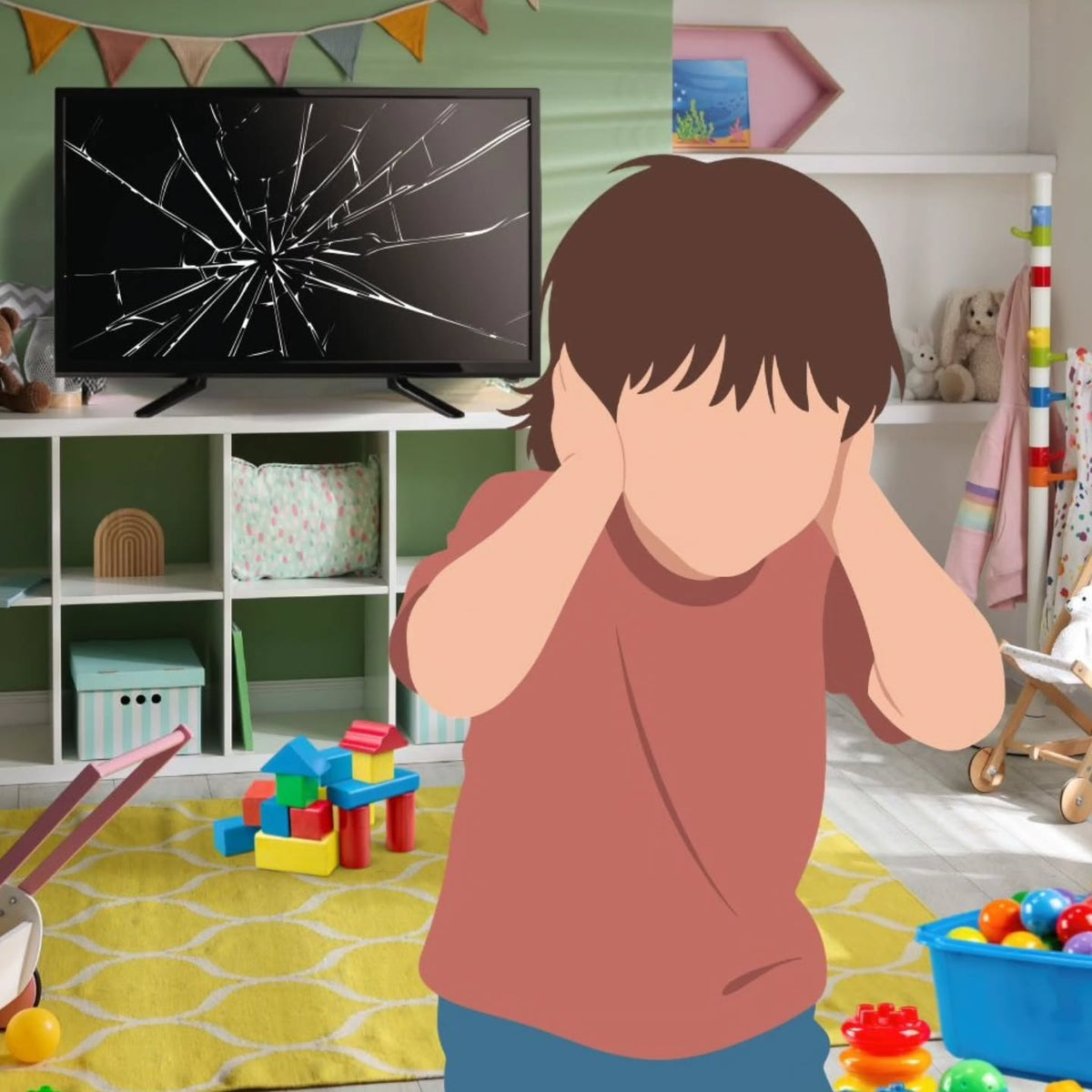
A toy, ball, remote control or another object hitting the screen can potentially cause permanent damage.
And unlike a scratch on a piece of furniture, damage to a television display isn't usually something you can simply repair yourself.
Depending on the severity of the damage, you could be looking at an expensive repair or even replacing the entire television.
That's why protecting your TV before an accident happens is worth considering.
7 Ways to Protect a TV Screen
1. Wall Mount Your TV
Wall mounting your television can help reduce some everyday risks.
A securely wall-mounted TV is less likely to be knocked over than a television sitting on a cabinet or stand.
It can also keep the TV further away from young children and pets.
However, wall mounting doesn't completely protect the screen.
A wall-mounted television can still be hit by toys, balls or other objects.
Think of wall mounting as one part of your overall TV safety strategy rather than complete screen protection.
2. Keep Hard Objects Away From the TV
One of the simplest ways to reduce the risk of damage is to keep potentially dangerous objects away from the television.
This includes:
- Toys
- Balls
- Remote controls
- Game controllers
- Hard household objects
- Furniture that could fall or move into the screen
This can work well in a quiet household.
But if you have young children, pets or a busy home, it's impossible to control everything that happens around the TV all the time.
That's where an additional layer of physical protection can be useful.
3. Secure Your TV Properly
If your TV is sitting on a stand, make sure it is positioned securely and consider an appropriate anti-tip solution.
This is particularly important if you have young children or pets.
A TV falling from a cabinet can cause serious damage to both the television and anything around it.
Always follow the manufacturer's instructions when installing or securing your television.
4. Create a Safe Zone Around the TV
If possible, try to create some separation between the television and areas where children play or people regularly move around.
For example, positioning a TV away from a play area can reduce the chance of toys or other objects hitting the screen.
However, not every home has enough space to do this.
In smaller homes, open-plan rooms and busy commercial environments, the TV may inevitably be located close to activity.
This is where additional protection becomes more valuable.
5. Install a TV Screen Protector
One of the most direct ways to protect a TV screen is to install a purpose-designed TV screen protector.
Unlike simply moving the TV further away from potential hazards, a screen protector provides a physical barrier over the display.
The protector sits in front of the television screen, helping to absorb or distribute the force of accidental impacts before they reach the TV's original display.
This can be particularly useful in environments where impacts are more likely.
TV screen protectors can be useful for:
- Families with young children
- Homes with pets
- Children who throw toys or objects
- SEN and specialist environments
- Schools
- Hotels
- Student accommodation
- Pubs and sports bars
- Other commercial environments
The important thing is to choose a protector designed specifically for television screens and appropriate for the environment.
What Is a TV Screen Protector Made From?
TV screen protectors are commonly made from transparent materials such as acrylic.
The thickness and construction can vary considerably between products.
A thinner protector may be appropriate for lower-risk environments, while thicker acrylic can provide greater impact protection where the risk is higher.
For example, a 4mm acrylic TV screen protector can provide a more substantial protective layer than a thinner 2mm option.
The correct choice depends on the level of protection you need.
Does a TV Screen Protector Affect Picture Quality?
This is one of the first questions many people ask.
A properly designed clear TV screen protector is designed to sit in front of the display while allowing you to continue watching your television normally.
The quality and clarity of the material are important.
If maintaining the appearance of your TV is your priority, a clear protector can provide protection while remaining visually discreet.
For rooms with significant reflections or bright lighting, an anti-glare TV screen protector may be another option to consider.
6. Consider an Anti-Glare TV Screen Protector
Not every TV is installed in the same environment.
If your television is positioned opposite windows, bright lights or other reflective surfaces, glare can make viewing uncomfortable.
An anti-glare protector can provide a solution for environments where you want both physical screen protection and reduced reflections.
This can be particularly useful in commercial settings, classrooms, offices and bright family rooms.
7. Choose the Right Protection for the Environment
Perhaps the most important consideration is understanding what you're protecting your TV from.
A television in an adult-only living room may face very different risks from one installed in a primary school, hotel, pub or family home with young children.
Ask yourself:
Who uses the room?
What could hit the screen?
How expensive would the TV be to replace?
How much protection do I actually need?
These questions can help you decide whether basic precautions are enough or whether additional physical protection makes sense.
Can You Protect a TV From Children?
Yes, although no method can guarantee that a television will never be damaged.
Young children can accidentally throw toys, balls and other objects towards a television.
The best approach is usually a combination of:
- Safe positioning
- Secure installation
- Supervision and appropriate boundaries
- Keeping hard objects away from the TV
- Adding a TV screen protector where appropriate
A screen protector can be particularly useful for families who know their TV is regularly exposed to accidental impacts.
What About Protecting a TV From Autism or SEN-Related Behaviour?
Some families and specialist environments may have a higher risk of accidental impact because of how an individual interacts with their surroundings.
This can include hitting the TV, throwing objects or interacting physically with equipment.
Every autistic or SEN child is different, so it's important not to make assumptions about behaviour.
However, if there is a known risk of impact, protecting expensive technology can be a sensible part of adapting the environment.
A screen protector isn't a replacement for appropriate support or supervision.
It simply adds a physical layer between the TV and potential impacts.
Can You Protect a Wall-Mounted TV Screen?
Yes.
In fact, wall mounting and screen protection can work particularly well together.
Wall mounting helps secure the television and can reduce the risk of it being knocked over.
A screen protector addresses a different risk: something hitting the actual display.
This distinction is important.
A securely mounted TV can still have a broken screen.
How Much Does It Cost to Protect a TV?
The cost of protecting a TV varies depending on the size of the television and the type of protection required.
Compared with the cost of replacing a high-end television, a purpose-designed screen protector can be a relatively small preventative investment.
The larger and more expensive the TV, the more important it can be to consider how vulnerable the screen is to accidental damage.
Are TV Screen Protectors Worth It?
For some households, they may not be necessary.
If your TV is in a quiet room with little risk of accidental impact, basic precautions may be perfectly adequate.
But if your television is exposed to:
- Children
- Pets
- Toys
- Balls
- Busy environments
- Commercial activity
- Schools
- SEN settings
then a screen protector can provide an additional layer of protection that positioning alone can't offer.
Ultimately, it's about risk versus replacement cost.
If the potential cost and inconvenience of a broken TV is significant, preventative protection can make sense.
What Is the Best Way to Protect a TV Screen?
There isn't one solution that works for every television.
For the best overall approach, combine several layers of protection:
1. Position the TV safely.
2. Secure it properly.
3. Keep potential hazards away where possible.
4. Add a purpose-designed TV screen protector if there is a realistic risk of impact.
This gives you protection against both the TV itself being knocked over and the screen being struck.
Final Thoughts
So, is there a way to protect a TV screen?
Absolutely.
You can't eliminate every possible accident, but you can significantly reduce the risk by taking sensible precautions and adding physical protection where it's needed.
For families, schools, hospitality businesses and other busy environments, a TV screen protector can provide an extra layer of protection between your television and everyday accidents.
Because when replacing a TV can cost hundreds or even thousands of pounds, protecting the screen before something happens can be a lot easier than replacing it afterwards.
Frequently Asked Questions
Can you put a protector over a TV screen?
Yes. Purpose-designed TV screen protectors are specifically made to sit over the front of a television display and provide an additional protective layer.
How do I protect my TV screen from being hit?
Secure the TV properly, position it away from high-risk areas where possible and consider installing a purpose-designed TV screen protector.
Can a TV screen protector prevent cracks?
A screen protector is designed to reduce the risk of damage from accidental impacts. However, no protector can guarantee that a TV will never be damaged, particularly from extremely heavy or severe impacts.
How do I protect my TV from children?
Secure the television, keep hard objects away from the screen, create a safe area around the TV and consider a TV screen protector if accidental impacts are a concern.
Can I protect a wall-mounted TV?
Yes. A wall-mounted TV can still be vulnerable to impact. A screen protector can provide an additional layer of physical protection over the display.
Is acrylic good for protecting a TV screen?
Acrylic is a popular material for TV screen protectors because it is transparent, lightweight and available in different thicknesses. The appropriate thickness depends on the level of protection required.
Is it worth putting a screen protector on an expensive TV?
If the television is exposed to a realistic risk of accidental impact, a screen protector can be a sensible preventative investment. This is particularly relevant for expensive TVs where screen damage could result in a costly replacement.
What is the best TV screen protector?
The best TV screen protector depends on the size of your television, the environment it is installed in and the level of impact protection required. Always check the actual dimensions of your TV rather than relying solely on the advertised screen size.