
Are TV Screen Protectors Worth It? The Complete 2026 Guide
13 April 2026 · Jessica Sands
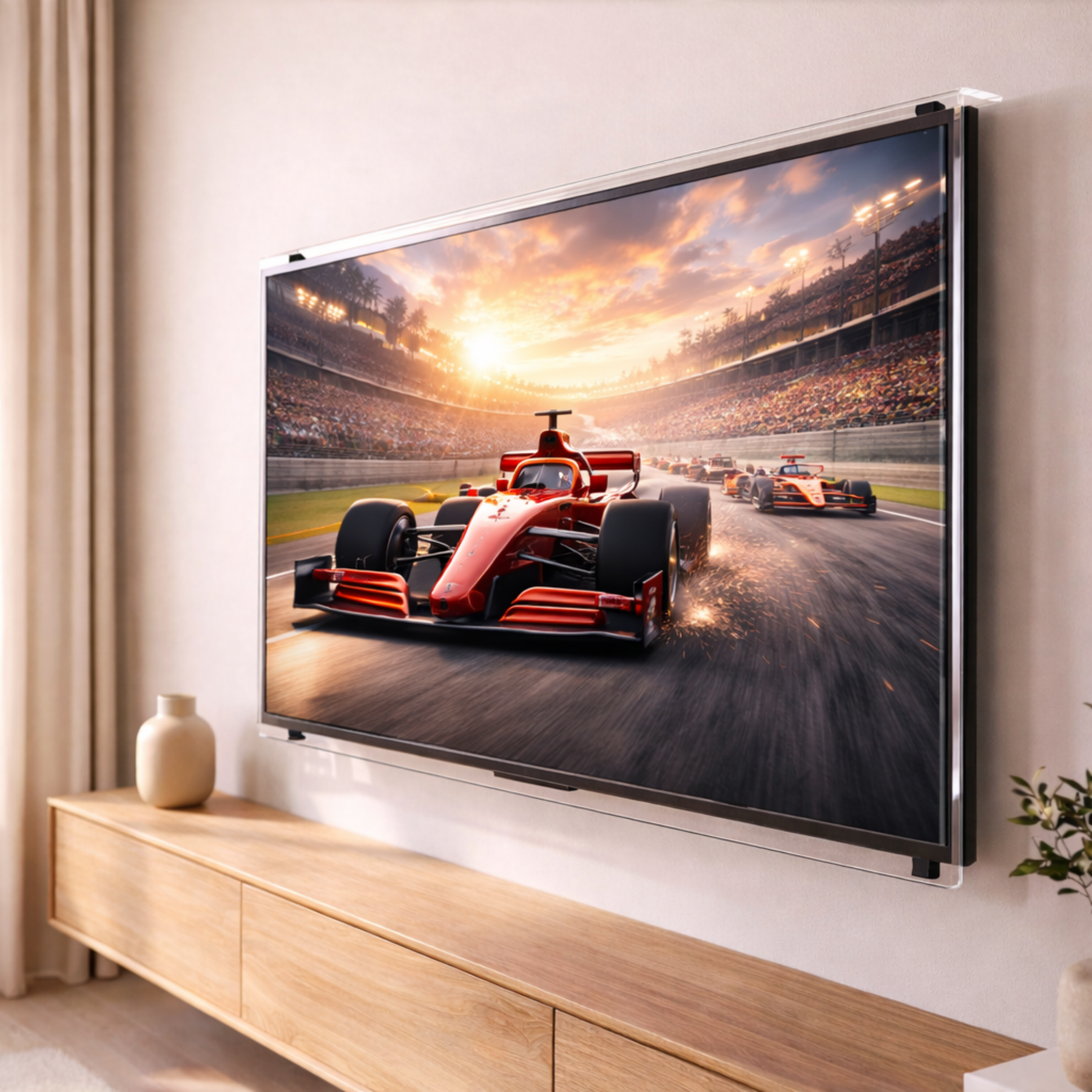
Are TV Screen Protectors Worth It? The Complete 2026 Guide
Flat-screen TVs have never looked better but they’ve also never been more fragile.
With ultra-thin displays from brands like Samsung, LG, and Sony, modern televisions prioritise picture quality and design over durability.
So the question many people are now asking is:
Are TV screen protectors actually worth it?
The short answer: Yes, especially in high-risk environments.
But let’s break it down properly.
Why Modern TVs Are So Easy to Damage
Today’s TVs are built with:
- Ultra-thin panels
- Lightweight materials
- Minimal protective layering
While this improves picture quality, it makes screens far more vulnerable to:
- Impact damage
- Pressure cracks
- Thrown objects
- Accidental knocks
Even a light hit from a toy or remote can cause:
- Spider cracks
- Internal display bleeding
- Permanent black spots
And in most cases, repairs are not cost-effective.
How Much Does It Cost to Replace a TV Screen?
This is where things get expensive.
In the UK:
- Replacing a damaged TV screen often costs 80–100% of the price of a new TV
- Many manufacturers don’t offer economical screen repairs
- Labour and installation add additional cost
For larger TVs (50”+), replacement can easily run into hundreds of pounds per incident.
For care homes, schools, or shared environments, this cost can repeat multiple times per year.
What Does a TV Screen Protector Actually Do?
A TV screen protector is a clear or anti-glare protective panel fitted over your TV screen.
Its job is simple:
Absorb impact before it reaches the fragile display
High-quality protectors are designed to:
- Resist impact from thrown objects
- Prevent scratches and surface damage
- Reduce glare (anti-glare versions)
- Maintain full visibility and clarity
They act as a barrier between everyday life and a very expensive repair.
When Are TV Screen Protectors Worth It?
TV screen protectors are most valuable in higher-risk environments.
Homes with Children
Kids don’t mean to break TVs, but it happens.
Common causes:
- Toys being thrown
- Controllers slipping
- Accidental bumps during play
A protector can prevent a simple accident becoming a costly replacement.
🐾 Homes with Pets
Pets can:
- Knock objects into the screen
- Jump or collide with furniture
- Cause scratches
Protection reduces the risk of unexpected damage.
SEN Schools & Classrooms
In specialist education environments:
- Behavioural outbursts can occur
- Objects may be thrown
- High sensory environments increase risk
TVs are often used for learning and regulation making protection essential.
Care Homes & Supported Living
In care environments:
- Residents may have mobility challenges
- Cognitive conditions can lead to accidental impact
- TVs are used daily for comfort and communication
Repeated damage is common without protection.
Commercial & Shared Spaces
Including:
- Waiting rooms
- Student accommodation
- Hotels and guest spaces
More people = higher risk.
Do TV Screen Protectors Affect Picture Quality?
This is one of the biggest concerns.
High-quality TV screen protectors are:
- Optically clear
- Designed to maintain brightness and colour
- Virtually unnoticeable when installed
Anti-glare options can actually improve visibility in bright rooms.
Cheap or poorly fitted protectors, however, can reduce clarity which is why quality matters.
Screen Protector vs TV Insurance
Many people rely on insurance but here’s the reality:
Insurance:
- Requires claims
- Includes excess fees
- May increase premiums
- Causes delays
Screen Protection:
- One-time investment
- Immediate protection
- No ongoing admin
- Prevents damage entirely
In most cases, prevention is more cost-effective than repeated claims.
Cost vs Value: Is It Worth It?
Let’s simplify it:
- One TV replacement = £300–£1,000+
- One screen protector = significantly less
If a protector prevents just one incident, it pays for itself.
Anything beyond that is pure savings.
Final Verdict: Are TV Screen Protectors Worth It?
Yes, if there is any realistic risk of impact.
They are especially worth it for:
- Families with young children
- Care homes and supported living
- SEN schools and specialist education
- High-traffic shared environments
If your TV is in a low-risk, rarely used room, you may not need one.
But in most real-world environments, a TV screen protector is a simple, effective way to avoid an expensive mistake.
Bottom Line
Modern TVs are fragile.
Accidents happen.
Repairs are expensive.
A TV screen protector is one of the easiest ways to protect your investment and avoid repeat costs.