








Screen Protector vs TV Insurance – What’s Better?
When protecting your TV, many people rely on insurance.
But here’s the key question:
👉 Is insurance enough to protect your TV — or is a screen protector the smarter choice?
Let’s break it down clearly so you can make the best decision.
What Does TV Insurance Actually Cover?
TV insurance (or home insurance with accidental damage cover) is designed to protect against unexpected events.
Typically Covered:
✔ Accidental damage (depending on policy)
✔ Theft
✔ Fire or major incidents
But There’s a Catch:
Insurance usually involves:
- Monthly or annual premiums
- Excess fees when you claim
- Claims processes and delays
- Potential claim rejections
- Premium increases after claims
👉 And most importantly:
It only helps after damage has already happened.
What Does a TV Screen Protector Do?
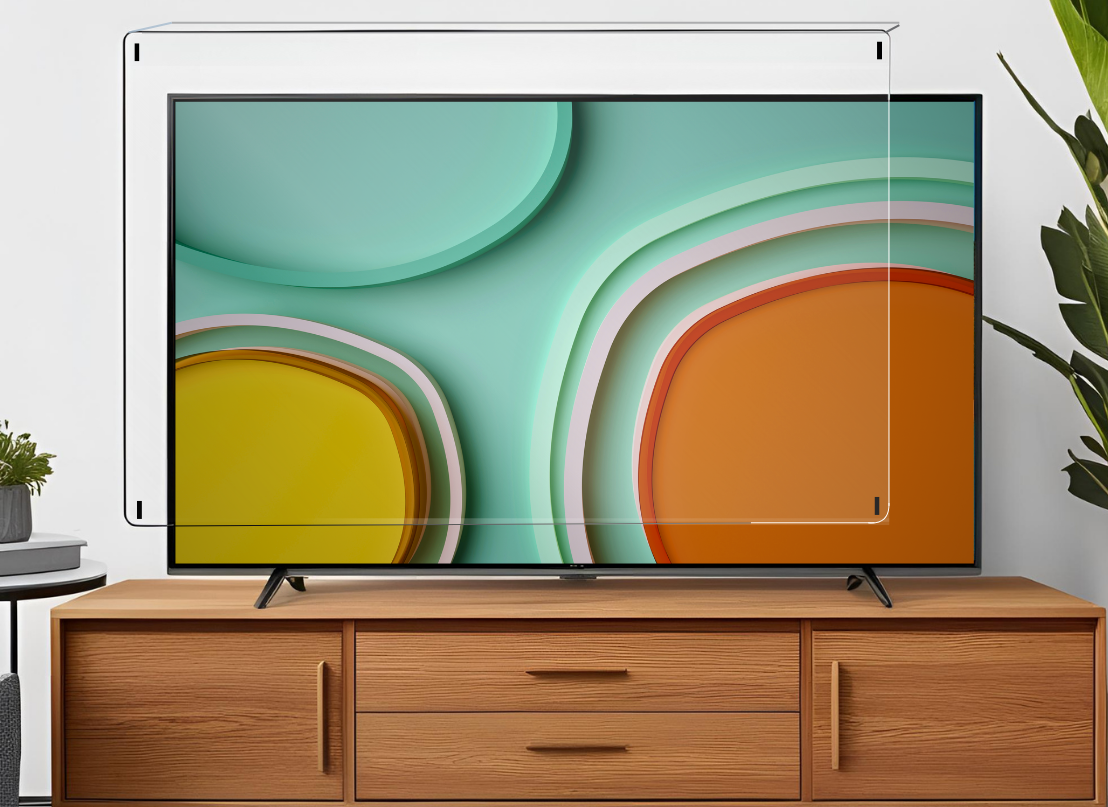
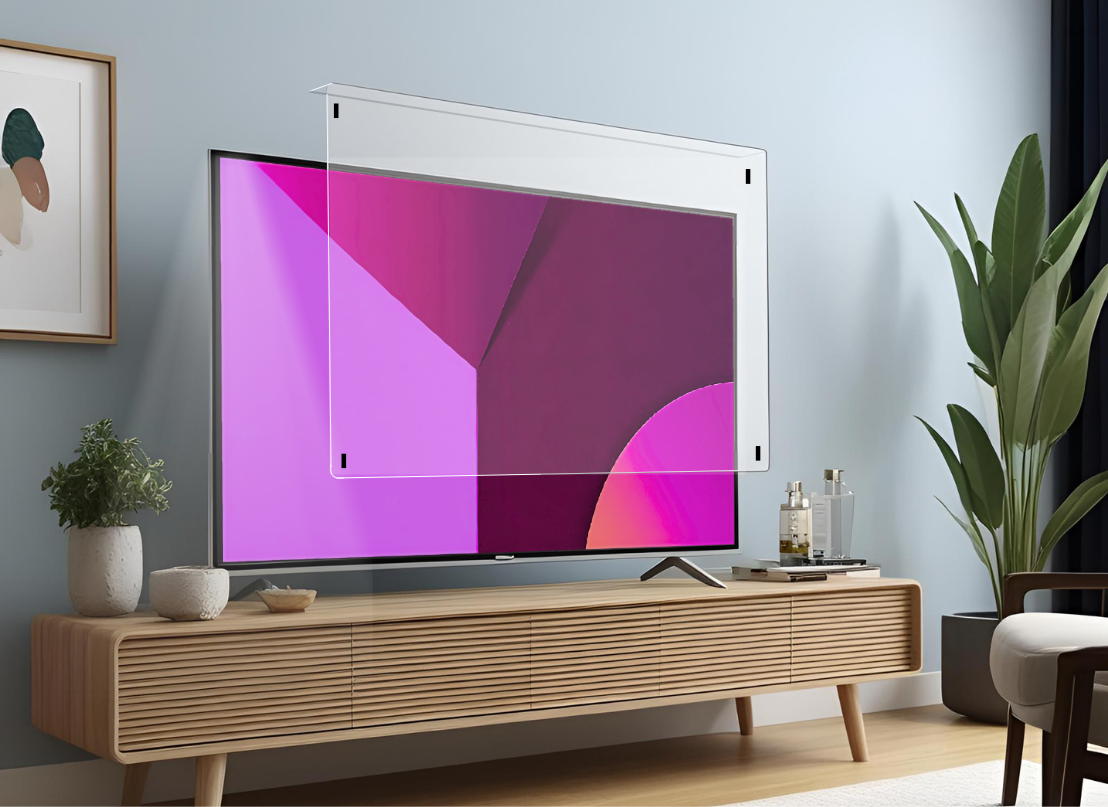
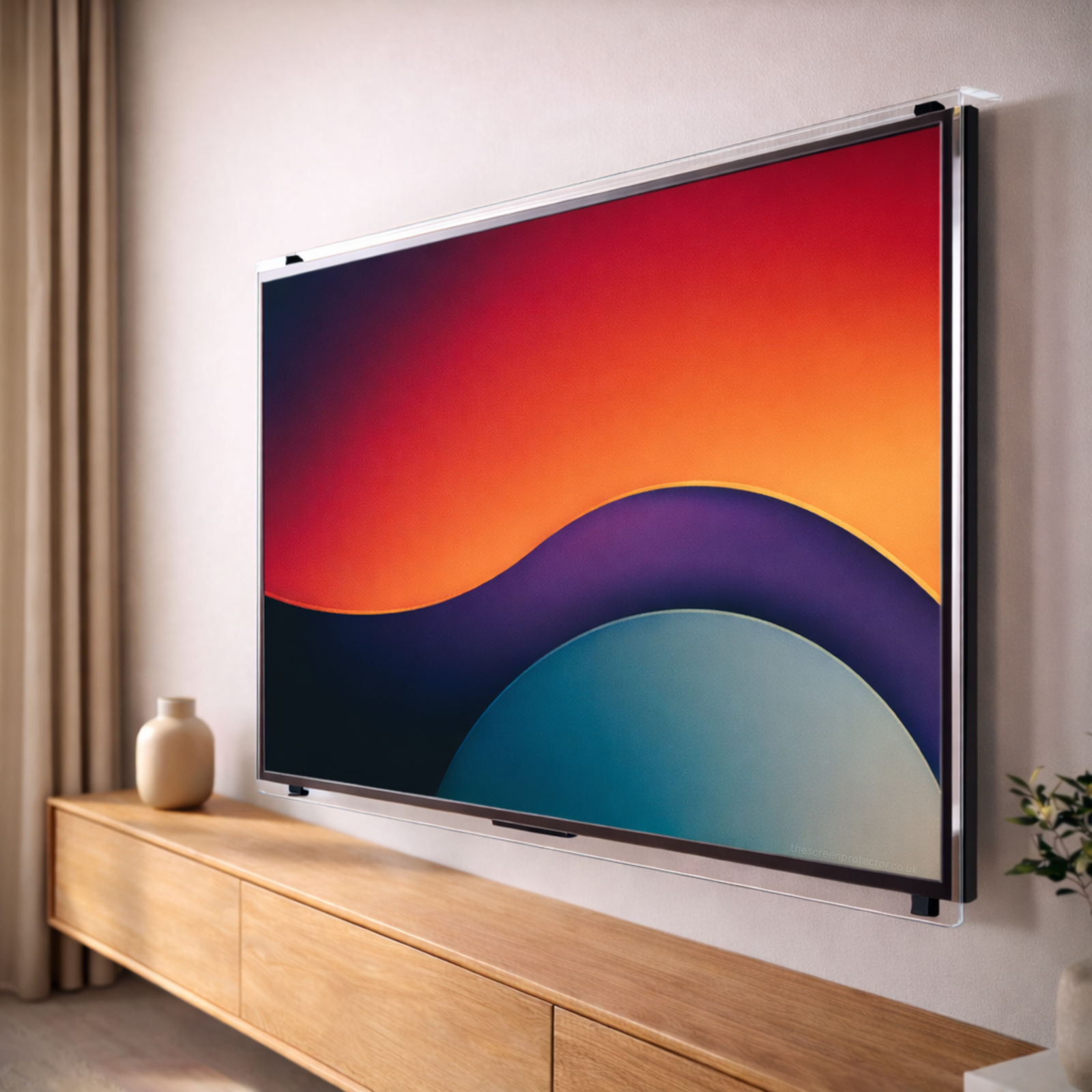
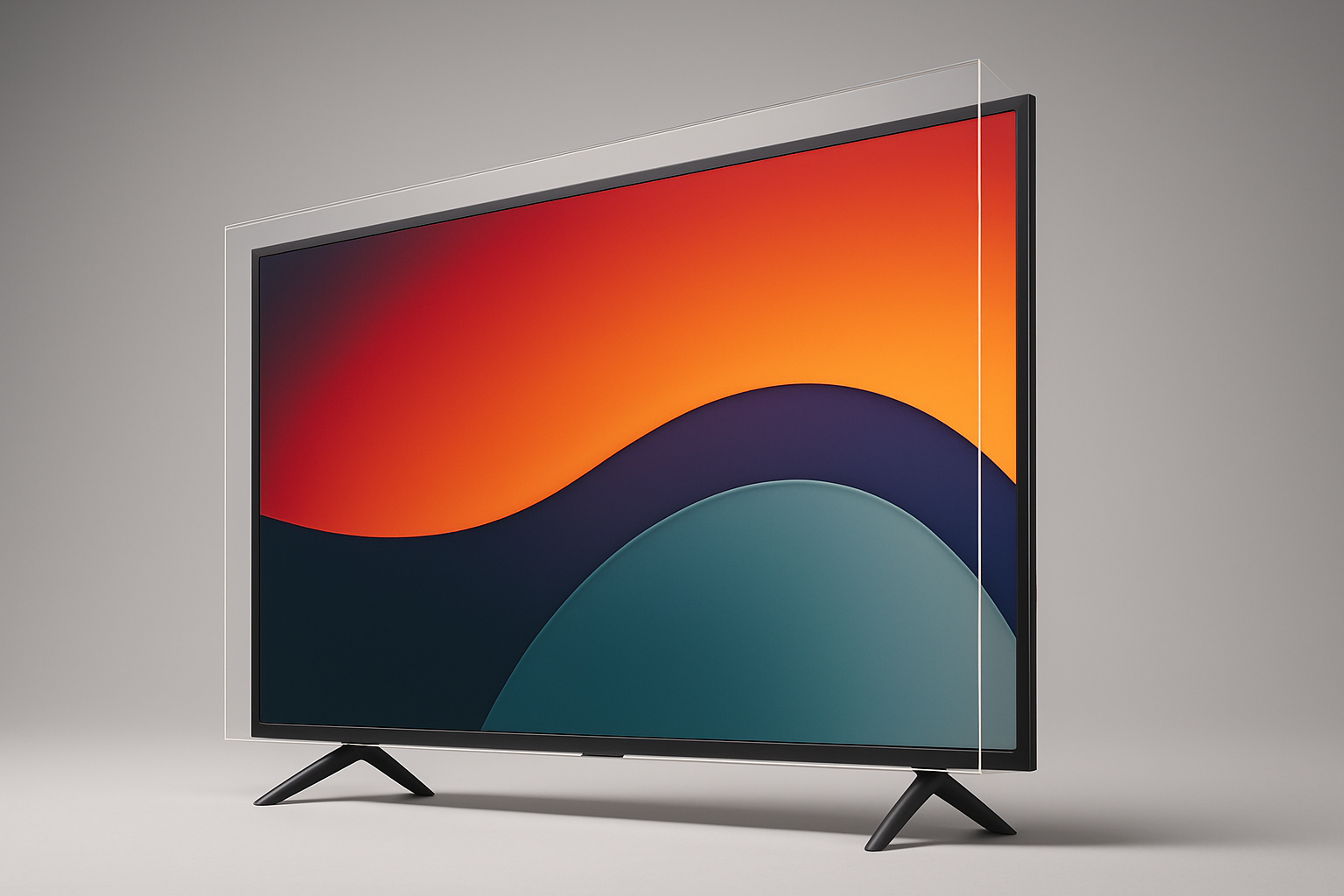
A TV screen protector is a physical, impact-resistant barrier placed over your screen.
It prevents damage before it happens.
What It Protects Against:
✔ Thrown toys or objects
✔ Accidental knocks
✔ Scratches and surface damage
✔ Everyday wear in busy environments
The Key Difference: Prevention vs Reaction
This is the most important distinction.
Insurance = Reactive
Damage happens → You claim → You wait → You may pay
Screen Protector = Preventative
Impact happens → Screen is protected → No claim needed
Cost Comparison
Insurance Costs:
- Monthly or annual payments
- Excess per claim
- Potential premium increases
Screen Protector:
- One-time purchase
- No ongoing fees
- Continuous protection
Over time, a screen protector is often the more cost-effective solution.
Real-World Scenarios
Scenario 1: Child Throws a Toy
- Insurance: Claim required, excess applies, possible delays
- Screen Protector: Absorbs impact, TV remains intact
Scenario 2: Accidental Knock
- Insurance: Claim process needed
- Screen Protector: Prevents direct damage
Scenario 3: Busy Environment (School, Pub, Rental)
- Insurance: Multiple claims = increased premiums
- Screen Protector: Reduces repeated incidents
When Is Insurance Useful?
Insurance still has value for:
- Major incidents (fire, theft, flooding)
- High-value protection
- Backup coverage
But it’s not designed for everyday impact risks.
When Is a Screen Protector Essential?
A screen protector is essential if your TV is in:
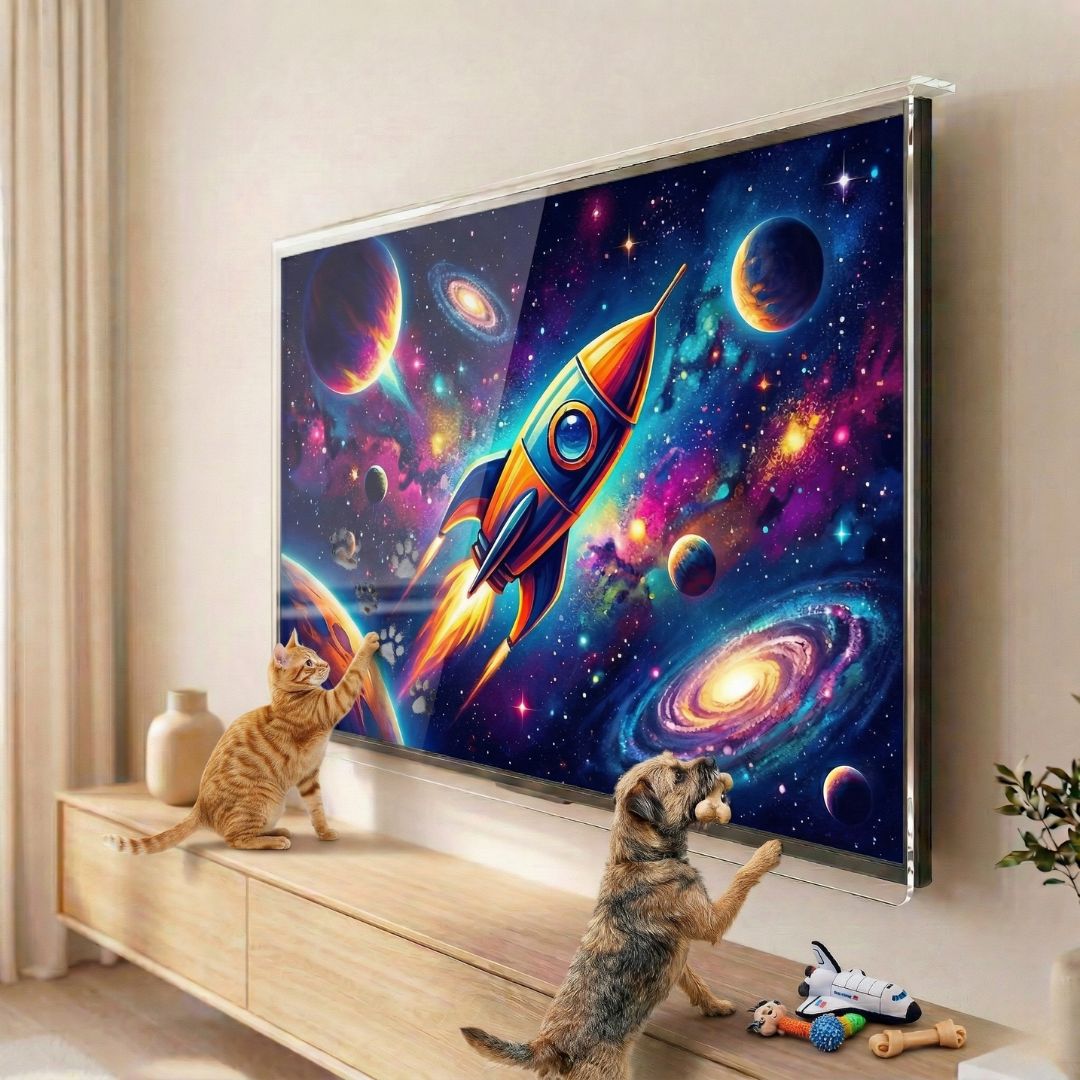
- Homes with children
- Homes with pets
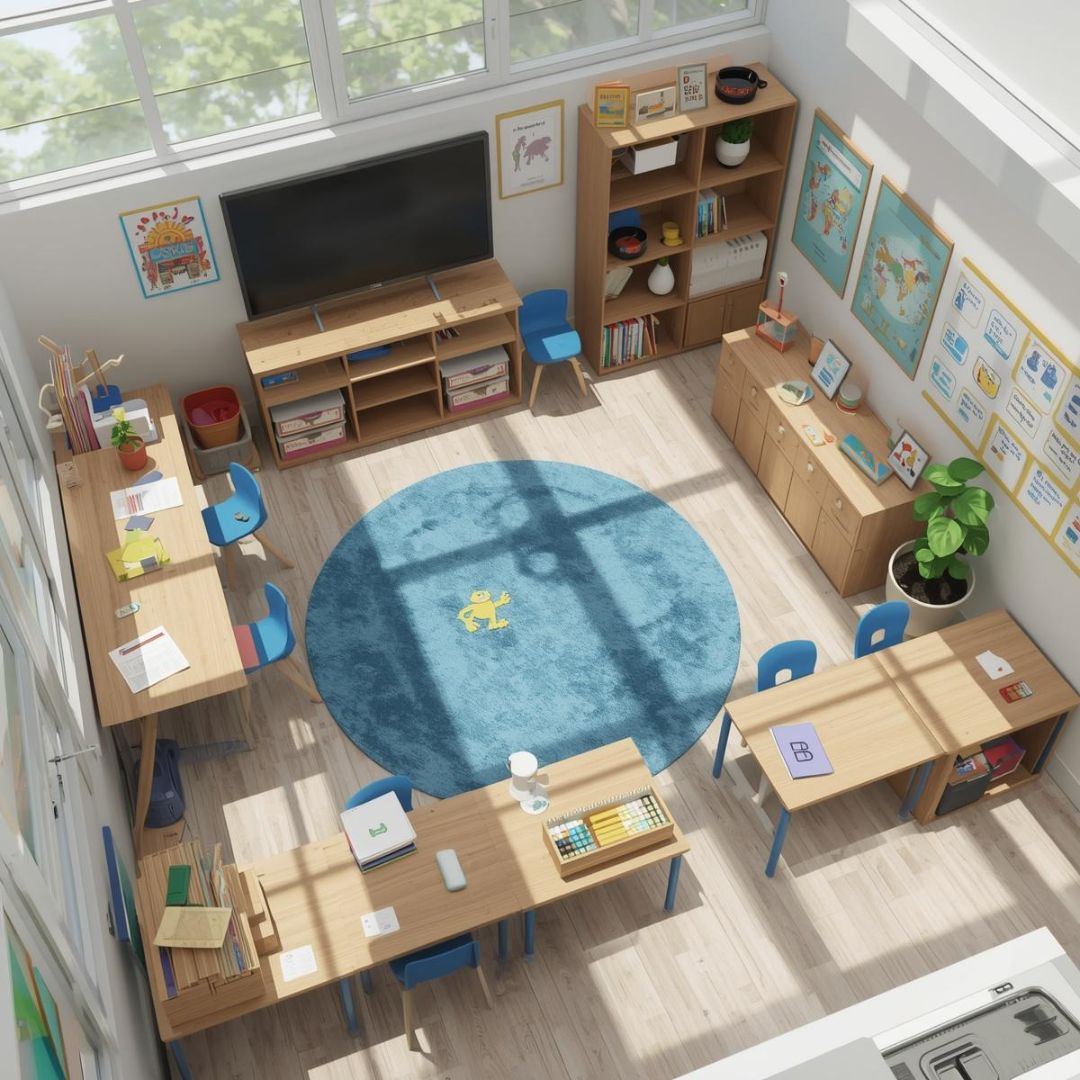
- Schools or SEN classrooms
- Care homes
- Student accommodation
- Pubs and communal spaces
If there is any risk of impact — protection is key.
The Best Approach? Use Both
👉 Best practice:
- Use insurance for major incidents
- Use a screen protector for daily protection
This gives you complete peace of mind.
Clear vs Anti-Glare Options
Clear Screen Protector
- Maintains full picture quality
- Ideal for home use
Anti-Glare Screen Protector
- Reduces reflections
- Ideal for bright rooms and shared spaces
Final Thoughts: Prevention Beats Claims
Insurance helps after something goes wrong.
A screen protector helps ensure it doesn’t go wrong in the first place.
If you want fewer claims, lower costs, and real protection:
👉 Prevention always wins.





Leave a comment (all fields required)